
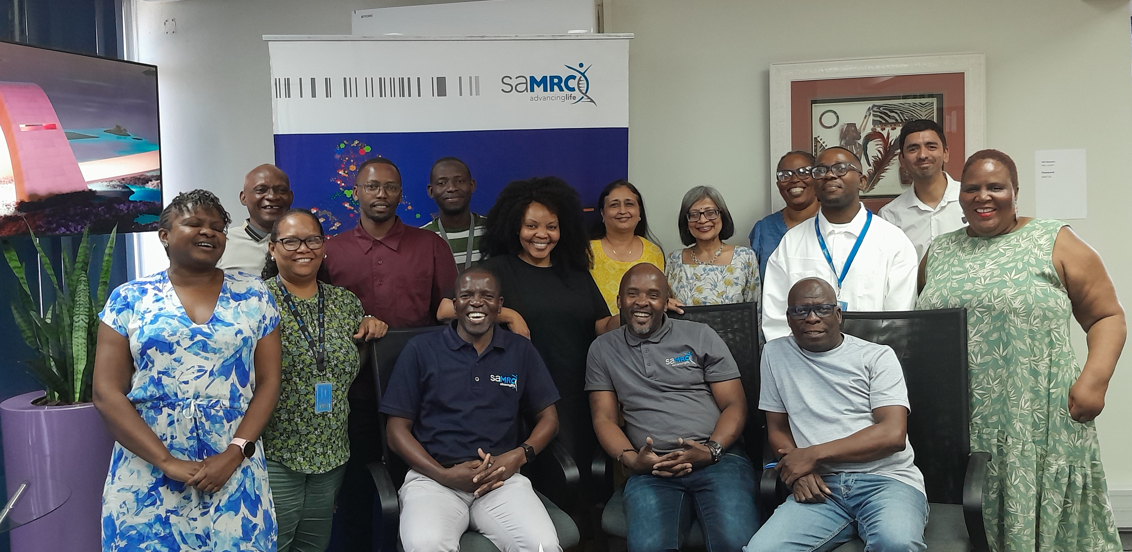
On 15 October 2026, the South African Medical Research (SAMRC) VC Boardroom in Durban was transformed into an incubation hub for knowledge translation. Behind this shift was the Cochrane South Africa (CSA) Research Translation Portfolio, with co-presenters Mr Lorenzo Bennie and Dr Ebrahim Samodien leading an interactive workshop grounded in a single, unyielding conviction: research simply isn't finished until it has been shared.
By framing communication as an evolving, deep human journey rather than a mechanical checklist to meet funding obligations - they fostered an environment where workshop attendees felt secure enough to step outside their comfort zones. Colleagues delved deeper into the often-messy dimensions of their work. Conversations naturally gravitated toward how scientists need to learn to listen to the lived experiences and vulnerabilities of the communities they study. The collective consensus was clear: researchers bear a profound responsibility to ensure their research is genuinely integrated with the community, not just extracted from it.
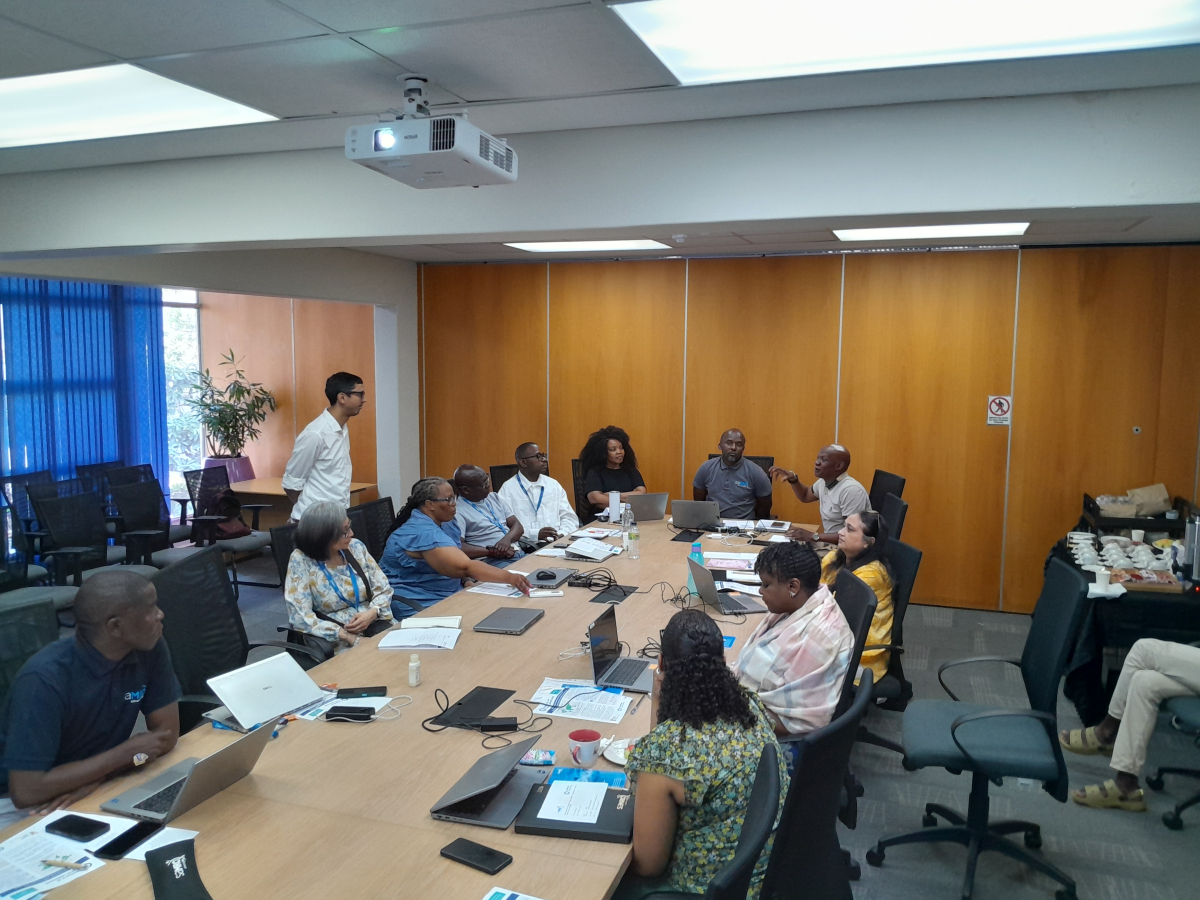 The cohort emphasised that communities cannot be a mere afterthought; they must be actively considered and included from the very inception of a study’s design. This isn’t an arbitrary benchmark; it is a core pillar of national ethics frameworks such as the National Department of Health endorsed Ethics in Health Research Guidelines: Principles, Processes and Structures (2024) and international research ethics guidelines set by the Council for International Organizations of Medical Sciences (CIOMS) in collaboration with the World Health Organization (WHO). Nonetheless, science has an ethical obligation to return its findings to the very people who made the research possible in the first place.
After lunch, the projectors were turned off. The facilitators stepped away and turned the spotlight entirely onto the workshop participants for a showcase titled “Show & Tell: Sharing Knowledge with Confidence.” The room met the challenge with immense enthusiasm. What followed was a brilliant testament to the latent talent and absolute openness of the workshop attendees. Watching colleagues stand up to share their personal translation concepts sparked a ripple effect of mutual inspiration. Supported by constructive, real-time feedback from both facilitators and peers, the boardroom became a highly collaborative ecosystem accompanied by encouraging nods, sharp insights, and plenty of shared laughter.
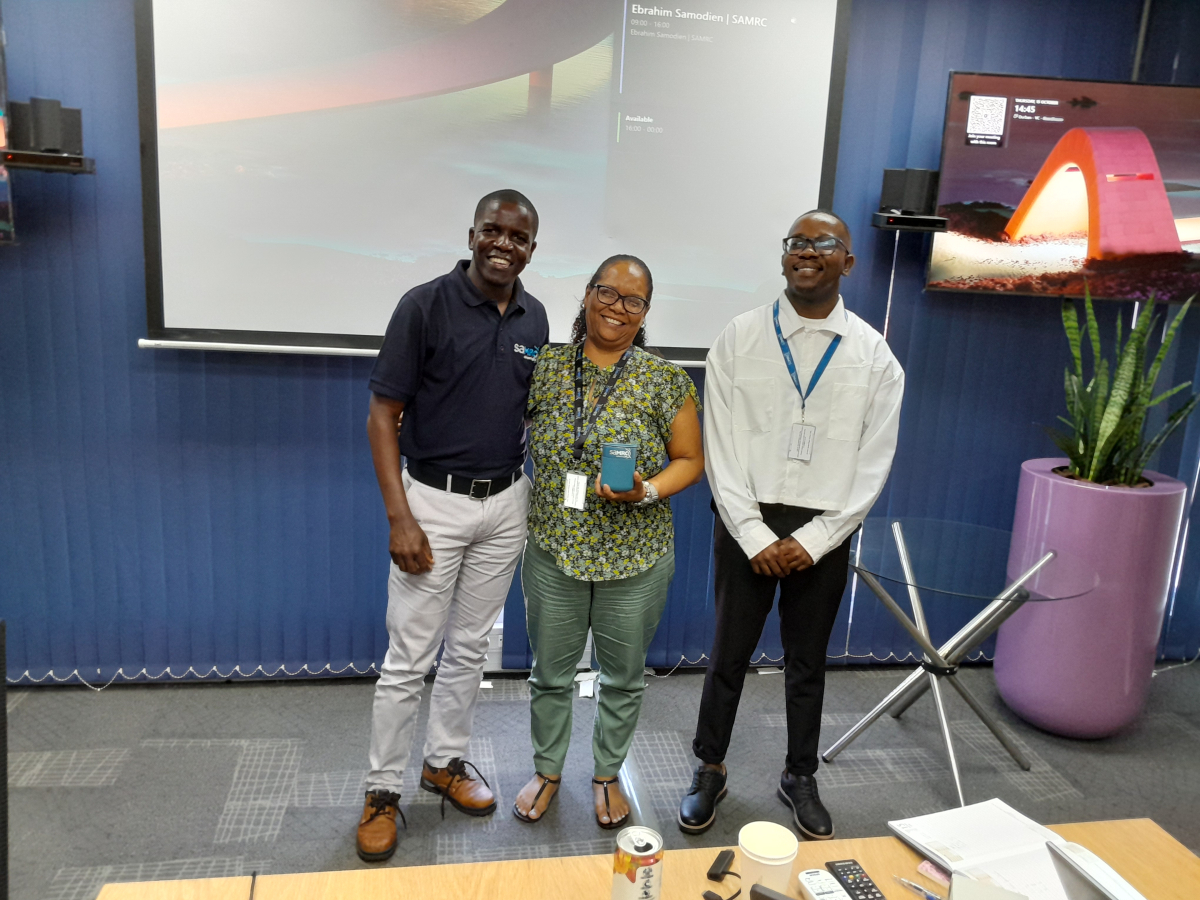 In a wonderful moment of democratic celebration, the entire room voted to crown a presentation winner, Ms Yolanda Knock, an Office Manager at SAPRIN. A particularly moving victory since it was her very first time presenting. It was a refreshing reminder that the most profound learning happens when we are allowed to view our life's work through a different lens and share it among peers without the paralyzing fear of being judged.
The post-workshop evaluations written feedback captured a deep, ambient sense of gratitude for an intervention that felt necessary, perfectly timed, and incredibly refreshing. Ultimately, the workshop held at our Ridge Road campus was never just a checklist event to cross off a calendar. It stands as a foundational milestone in building a living, supportive community of practice across the SAMRC’s research units. It is the hope that this cohort with the blueprint that has been developed will lead to more communicative, empathetic, and impactful scientific community.
We are certain that there are many incredible science stories to share and that we will get to hear them soon. Watch this space!